
Blog
From Sacred Temple Flowers to Incense Sticks: The Story of Kanchipuram Kamakshi Amman Temple and Hitah

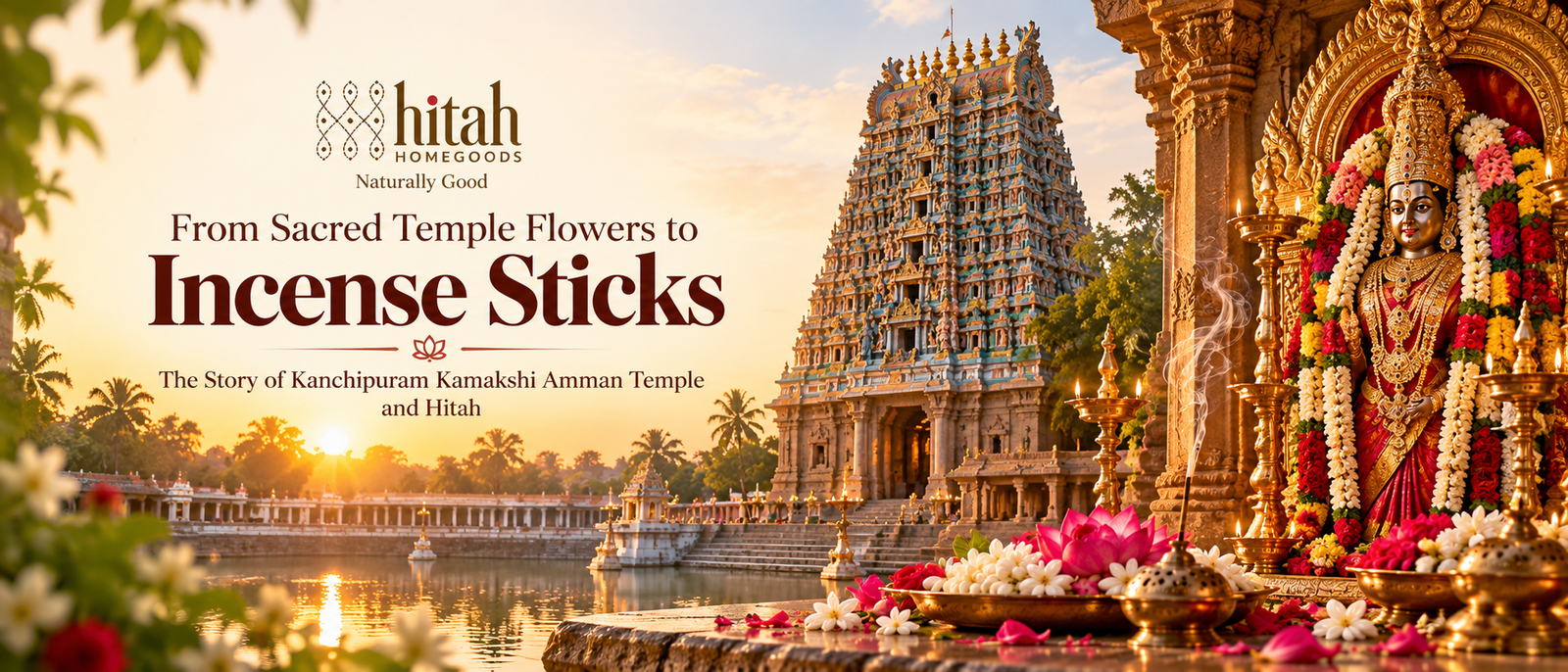
In the historic city of Kanchipuram, where ancient temples and timeless traditions are woven into everyday life, stands one of Tamil Nadu’s most revered places of worship — the Sri Kamakshi Amman Temple.
For centuries, this sacred temple has welcomed devotees who come to offer prayers, seek blessings, and experience the spiritual heritage of South India.
But beyond its remarkable history and architecture, there is another beautiful story to tell. It is the story of flowers offered in devotion and how they can find a new purpose through a thoughtful approach to sustainability.
At Hitah, this connection between tradition, nature, and responsible living inspires our journey of transforming temple flowers into incense sticks.
Kanchipuram Kamakshi Amman Temple: A Legacy of Faith and Tradition
Kanchipuram, often called the “City of a Thousand Temples,” is one of India’s most celebrated spiritual destinations. The city has been an important centre of religion, culture, and learning for many centuries.
At its heart stands the Kamakshi Amman Temple, dedicated to Goddess Kamakshi, a revered form of Goddess Parvati.
The temple is commonly dated to the 12th century, although its religious traditions and architectural history extend across different periods.
The temple is also closely associated with Adi Shankaracharya and the worship of the Sri Chakra, making it an important destination for devotees of Shakti.
One of its most distinctive features is the seated form of Goddess Kamakshi in Padmasana, or lotus posture. The temple’s golden vimana, intricately carved mandapams, and sacred temple tank reflect its rich architectural heritage.
Even today, the temple remains a living centre of worship, connecting generations through prayer, festivals, and devotion.
The Special Significance of Kamakshi Amman Temple
What makes Kamakshi Amman Temple remarkable is not simply its age but the traditions that continue within its walls.
Devotees visit the temple throughout the year, particularly during important religious occasions such as Navaratri and the annual Brahmotsavam.
The temple represents the enduring relationship between faith and everyday life in Tamil Nadu.
Flowers, lamps, prayers, and traditional offerings are all part of this spiritual experience.
Among these offerings, flowers hold a special place.
The Sacred Role of Flowers in Temple Worship
Flowers have been an essential part of Hindu worship for generations.
They are offered to deities as expressions of devotion, gratitude, and respect. Fresh flowers and garlands bring natural beauty to temple rituals and celebrations.
At temples such as Kanchipuram Kamakshi Amman Temple, floral offerings form part of the devotional atmosphere.
However, once flowers have served their purpose in worship, they eventually need to be collected and managed.
This creates an opportunity to think differently about floral waste.
What if these flowers could be given another meaningful purpose instead of simply being discarded?
From Temple Flowers to Incense Sticks: The Hitah Journey
At Hitah, we believe that something offered with devotion deserves to be treated with care and respect.
This belief is reflected in our approach to creating incense sticks using flowers collected from Kanchipuram Kamakshi Amman Temple.
Rather than viewing used temple flowers simply as waste, we see an opportunity to give these natural materials a second life.
The flowers become part of a new journey — one that connects traditional worship with thoughtful craftsmanship.
Through this approach, we aim to preserve the value of natural resources while creating incense products for everyday use.
For us, incense making is not only about fragrance. It is also about recognising the story behind the materials we use.
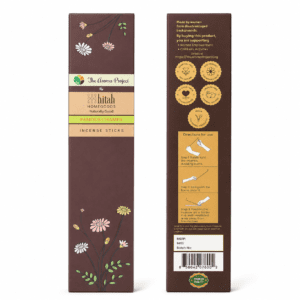
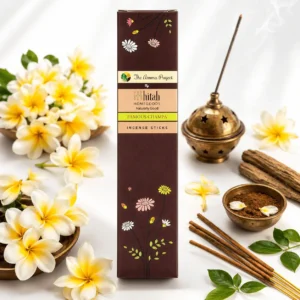
Famous Nag Champa Incense Sticks (Agarbatti)
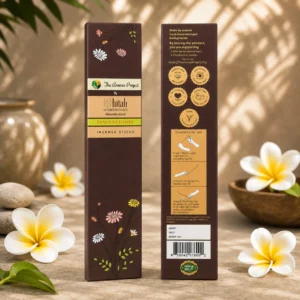
Famous Nag Champa Incense Sticks (Agarbatti) Pack of 12 Bulk | 60 Min Burn
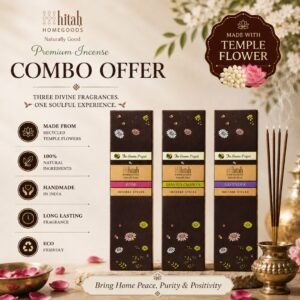
Hitah Premium Incense Combo Offer Pack
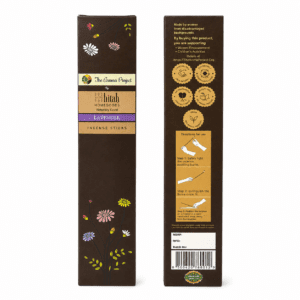
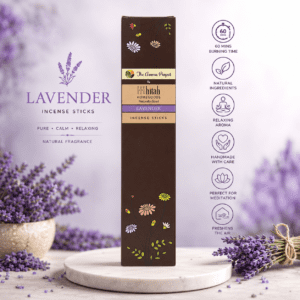
Lavender Incense Sticks
Ingredients: Natural herbs, lavender flower extracts, wood powders, plant-based binders, and essential oils.
How to Use : Light the tip of the incense stick and place it in a suitable incense holder. Allow the fragrance to gently spread across your space during pooja, meditation, yoga, or relaxation.
Giving Temple Flowers a Second Life
Flowers begin their journey as offerings during sacred rituals.
After their use in worship, suitable flowers can be collected and repurposed through an incense-making process.
The general process involves sorting the collected flowers, removing unsuitable materials, drying the usable floral matter, and preparing it for incense production.
The prepared material can then be combined with other ingredients, shaped into incense sticks, and dried before packaging.
This approach gives floral materials a practical new use while helping reduce the amount of organic waste that would otherwise require disposal.
It is a thoughtful way to connect traditional practices with modern ideas of resource conservation.
Why Recycling Temple Flowers Matters
Across India, flowers are used daily in temples, religious ceremonies, and festivals.
While these offerings carry cultural and spiritual importance, managing floral waste responsibly is also essential.
Repurposing suitable temple flowers can offer several advantages:
- Reducing floral waste: Giving used flowers another purpose instead of discarding them immediately.
- Encouraging resource reuse: Making use of existing natural materials.
- Respecting traditions: Handling flowers associated with worship thoughtfully.
- Supporting sustainable practices: Exploring practical alternatives to conventional waste disposal.
At Hitah, we see this approach as a meaningful connection between our cultural roots and our responsibility towards the environment.
Hitah Incense Sticks: Inspired by Tradition, Made for Everyday Living
Incense has been part of Indian households for generations.
From morning pooja to evening prayers, its familiar fragrance is often associated with moments of devotion and reflection.
At Hitah, we bring this traditional practice together with our commitment to giving temple flowers a renewed purpose.
Our incense sticks are intended for people who appreciate traditional fragrances, meaningful everyday rituals, and thoughtful use of natural resources.
Whether you are preparing your pooja room, welcoming guests, or enjoying a quiet moment at home, incense can become a familiar part of your routine.
Explore more about our incense collection at Hitah Home Goods.
A Connection Between Devotion, Nature, and Responsibility
The story of Kamakshi Amman Temple reminds us that traditions can continue to inspire new ideas.
For centuries, devotees have visited this sacred place with flowers in their hands and prayers in their hearts.
Today, those same floral offerings can inspire a different kind of journey — one focused on reuse, craftsmanship, and environmental awareness.
By transforming suitable temple flowers into incense sticks, Hitah seeks to create something meaningful from materials that have already played a role in worship.
It is a simple idea with a powerful message: valuable resources deserve thoughtful use.
Conclusion: Where Sacred Traditions Find a New Purpose
Kanchipuram Kamakshi Amman Temple is more than an ancient monument. It is a living symbol of Tamil Nadu’s spiritual and cultural heritage.
Its centuries-old traditions continue to bring people together through faith, devotion, and shared values.
Inspired by this heritage, Hitah’s journey of creating incense sticks from temple flowers represents an effort to connect tradition with responsible craftsmanship.
From flowers offered in devotion to incense sticks created with purpose, every stage of the journey carries a story worth sharing.
Discover the Hitah collection at Hitah Home Goods.