
hitahomegoods

Daily Fragrance Habits for a Happier Home

Daily Fragrance Habits for a Happier Home

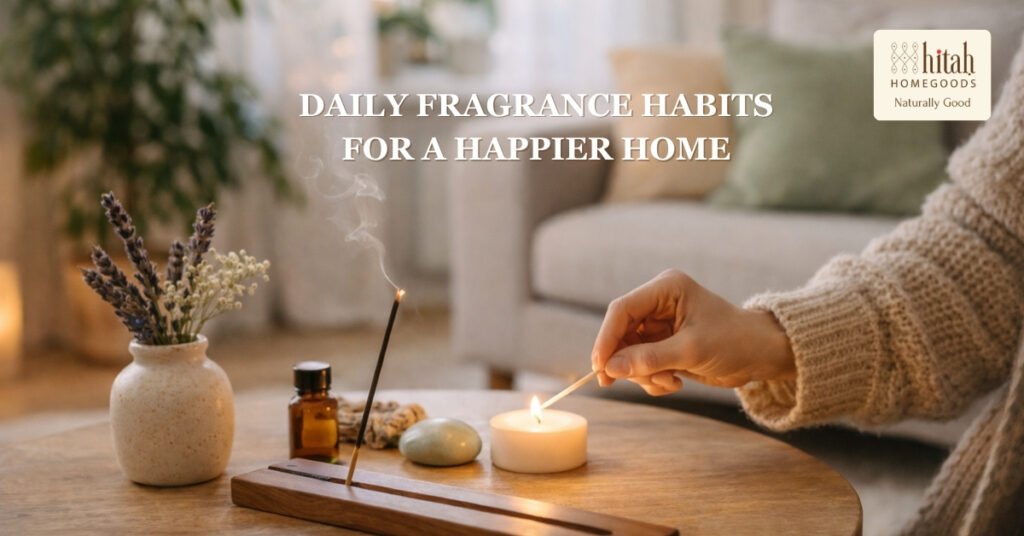
Because your house deserves a mood, not just furniture Let’s be honest: a happy home isn’t just about clean floors, matching cushions, or finally fixing that door that squeaks like it’s auditioning for a horror movie. A truly happy home smells happy. Think about it. One whiff of fresh coffee can make you forgive the morning alarm. The scent of rain through an open window can calm an anxious mind. And walking into a home that smells like last night’s fried onions? Well… let’s just say fragrance matters. Fragrance is the invisible interior designer of your home. It works quietly, influences moods sneakily, and makes people think you’ve got your life together—even if there’s laundry on the chair (we all have the chair). So let’s talk about daily fragrance habits—easy, realistic ones—that can make your home feel calmer, warmer, happier, and more you. Why Fragrance Has Such a Big Impact on Mood Smell is directly connected to the brain’s emotional center. That’s science. But it’s also common sense. A good scent can: ∙Reduce stress∙Improve sleep∙Make spaces feel cleaner∙Trigger comfort and nostalgia∙Change your mood without you realizing it In other words, fragrance is emotional multitasking at its finest. Morning Scents: Start the Day on the Right Note Mornings are delicate. Too harsh, and you’re grumpy. Too dull, and you’re sleepy forever. Best Morning Fragrances Easy Habit Open your windows for 10 minutes every morning (yes, even in winter—just trust me). Follow it with a light diffuser or spray. Fresh air + gentle scent = brain reboot. Kitchen Scents: The Heart (and Nose) of the Home The kitchen is where comfort lives… and sometimes where smells linger a bit too long. Daily Fragrance Tips A kitchen that smells good makes people feel welcomed—even if you’re just reheating leftovers. Living Room Fragrance: Where Vibes Matter Most This is your social space, your Netflix space, your “pretend I’m relaxed” space. Best Living Room Scents Think of living room fragrance like background music: noticeable only when it’s missing. Bedroom Fragrance: Sleep Is Sacred Your bedroom fragrance should whisper, not shout. Sleep-Friendly Scents Night Habit Switch on a diffuser for 20–30 minutes before sleep, then turn it off. Your body learns the routine and starts relaxing automatically. Bathroom Fragrance: Clean Without Screaming “I’m Clean!” Bathrooms need freshness—but not chemical warfare. Gentle Bathroom Scents Pro tip: A tiny drop of essential oil inside the bathroom tissue rolls cardboard tube = surprise freshness every time someone pulls paper. Daily Fragrance Rituals That Take Less Than 5 Minutes You don’t need a complicated routine. Try these: Consistency matters more than quantity. What the World Loves: Home Fragrance Preferences Across Cultures Fragrance is deeply cultural. What smells comforting in one country might feel overwhelming in another—and that’s part of the beauty. 🇮🇳 India Homes often smell like sandalwood, jasmine, rose, champa agarbatti, camphor, and spices. These scents are tied to spirituality, hospitality, and daily rituals. 🇯🇵 Japan Minimal and subtle is key. Think hinoki (Japanese cypress), green tea, rice, and light florals. Clean, quiet, and mindful. 🇫🇷 France Elegant and understated. Lavender, orange blossom, fig, and soft musk are popular. The scent should feel like it belongs, not like it arrived early. 🇲🇦 Morocco Warm, rich, and expressive. Amber, oud, orange blossom, mint, and spices dominate—homes smell inviting and layered. 🇺🇸 United States Fresh and cozy. Vanilla, cotton, pine, apple cinnamon, and seasonal scents are popular. Comfort is king. 🇸🇪 Scandinavia Clean and natural. Pine, birch, fresh linen, and soft wood reflect their love for nature and simplicity. 🇮🇹 Italy Lively and warm. Citrus, basil, fig, olive, and floral herbs fill homes with Mediterranean sunshine. Across the world, one thing is common: people choose scents that make them feel safe, calm, and at home. Seasonal Fragrance Swaps (Yes, They Matter) Just like clothes, your home fragrance should change with the weather. Your nose gets bored. Change keeps things exciting. Fragrance Mistakes We All Make (No Judgment) A happy home smells natural, not like a perfume factory exploded. Final Thought: Fragrance Is Emotional Self-Care You don’t fragrance your home for guests. You do it for you. For the mornings when you need motivation.For the evenings when you need calm.For the days when life feels loud and your home needs to feel quiet. Your home’s scent tells a story—about comfort, warmth, and belonging. Make it a good one. Because happiness doesn’t always need big changes.Sometimes, it just needs a good smell. 🌿 Bring These Fragrance Rituals to Life Discover natural, soothing, and mood-lifting home fragrances at: 👉 https://hitahhomegoods.com Create your home’s signature scent today.

Daily Fragrance Habits for a Happier Home Read More »
Why Natural Fragrances and Incenses Are Safer for Children?

Why Natural Fragrances and Incenses Are Safer for Children?

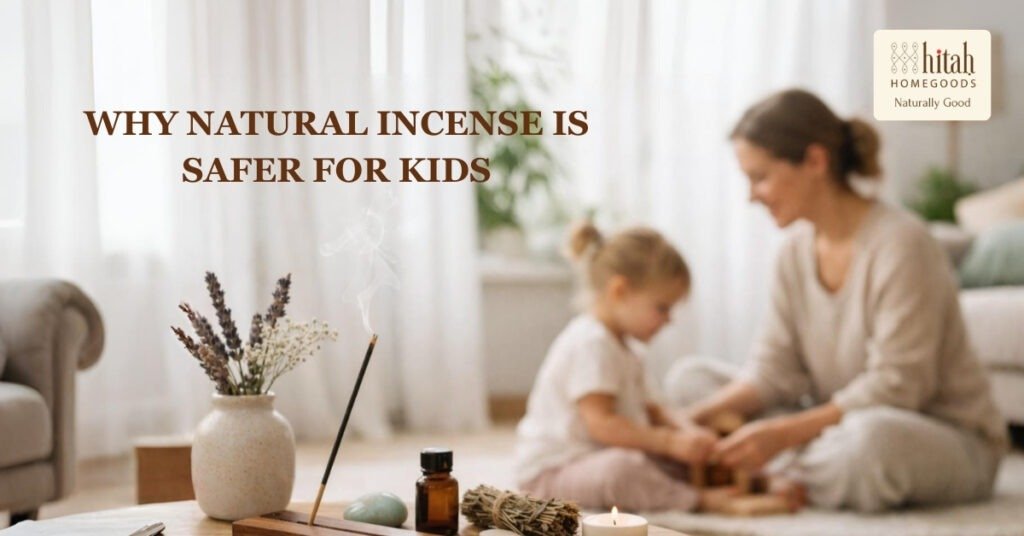
Understanding Smell, Biology, and the Hidden Risks of Synthetic Scents Smell is not just another sense. It is the oldest, most primitive, and most emotionally powerful of all our senses. Long before humans learned to see clearly or speak, we relied on smell to survive—detecting danger, recognizing kin, finding food, and forming bonds. Even today, smell operates at a deeper level than sight or sound, bypassing logic and going straight to the brain’s emotional and memory centers. For children—especially infants, this ancient sense plays a crucial role in development,attachment, and health. Yet modern life surrounds children with synthetic fragrances: perfumes,room fresheners, scented candles, laundry detergents, incense sticks, and even fragranced toys and baby products. Many of these scents are marketed as “fresh,” “clean,” or “luxurious,” but behind the pleasant aroma often lies a cocktail of chemicals that can quietly affect a child’s developing body. Understanding why natural fragrances and incenses are safer begins with understanding thebiology of smell itself. Smell: The Most Primeval of All the Senses Among all five senses, smell is evolutionarily the oldest. The olfactory system developed early in the animal kingdom as a survival mechanism. Unlike sight or hearing, which are processed through multiple brain regions, smell takes a direct route to the limbic system—the part of the brain responsible for emotions, memory, behavior, and hormonal regulation. This is why a smell can instantly transport you back to childhood, evoke comfort, fear, or longing, or trigger a physical reaction without conscious thought. In children, this pathway is even more influential. Their brains are still forming neural connections, and sensory inputs—especially smells—help shape emotional responses, stress regulation, and attachment patterns. When we flood this delicate system with artificial chemical scents, we are interfering with one of the most fundamental biological communication channels. How Newborns Bond Through Smell One of the most remarkable examples of the power of smell is the bond between a newborn and their mother. Newborn babies are born with limited vision and immature hearing, but their sense of smell is highly developed. Within hours of birth, a baby can recognize their mother’s unique body scent. Studies have shown that infants can identify their mother’s breast milk by smell alone and will instinctively turn their head toward it. A mother’s natural scent provides: This natural smell is not a perfume—it is a complex, subtle signature created by hormones, skin microbiota, diet, and genetics. It is biologically meaningful. When parents wear strong synthetic perfumes or scented lotions, this natural communication can become masked or distorted. While adults may perceive fragrance as pleasant or attractive, for a baby it can be confusing, overwhelming, or even distressing. Why Children Are More Vulnerable to Synthetic Fragrances Children are not just “small adults.” Their bodies process chemicals differently, and their detoxification systems—especially the liver, lungs, and immune system—are still developing. Here’s why synthetic fragrances pose a higher risk for children: Synthetic fragrances are not single ingredients. The word “fragrance” or “parfum” on a label canlegally represent hundreds of undisclosed chemicals. Health Hazards Linked to Synthetic Fragrances A growing body of research and clinical observation links synthetic fragrances to a range of health issues, especially in children. 1. Respiratory Problems and AsthmaSynthetic fragrances are a common trigger for: Children exposed to fragranced air fresheners, incense, or scented candles indoors show higher rates of respiratory irritation. Fragrance chemicals can inflame airways even at lowconcentrations. 2. Allergies and Skin SensitivitiesMany synthetic fragrance compounds are known allergens. In children, this can manifest as: Baby products labeled as “gentle” or “fresh-smelling” often still contain synthetic fragrance blends. 3. Headaches, Dizziness, and NauseaChildren may not always verbalize discomfort clearly, but synthetic fragrances can cause: Teachers and pediatricians increasingly report fragrance-related symptoms in schools and childcare environments. 4. Hormonal DisruptionSome fragrance ingredients, such as phthalates, are known endocrine disruptors. These chemicalscan interfere with hormones involved in: Hormonal systems are especially sensitive during childhood, making early exposure particularly concerning. 5. Neurological and Behavioral EffectsBecause smell directly affects the brain, synthetic fragrances may influence: Children with sensory sensitivities, ADHD, or autism spectrum conditions are often especially reactive to artificial scents. Natural Fragrances: A Gentler Alternative Natural fragrances and incenses, when made properly, derive their scent from plant-based sources such as flowers, resins, woods, herbs, and essential oils. These scents are complex but biologically familiar, having co-evolved with humans over thousands of years. Benefits of natural fragrances include: Traditional natural incenses—made from ingredients like sandalwood, frankincense, myrrh, vetiver, or herbs—have been used in households for centuries, often for their grounding and purifying qualities. That said, “natural” does not mean “use excessively.” Even natural scents should be used gently, with good ventilation, especially around children. Why Parents Should Avoid Wearing Unnatural Scents Parents are a child’s primary sensory environment. What you wear, smell like, and surround yourself with becomes part of your child’s world. Avoiding synthetic fragrances helps by: Children don’t need “fresh linen,” “ocean breeze,” or “vanilla sugar” scents. What they need is clean air, familiar human smells, and a calm sensory environment. Creating a Safer Scent Environment at Home Practical steps parents can take include: Sometimes the safest scent is no added scent at all. In Closing Smell is ancient, powerful, and deeply tied to our emotional and physical well-being, especially for children. In a world saturated with artificial fragrances, choosing natural or fragrance-free alternatives is a quiet but meaningful act of protection. By honoring the biology of smell and respecting a child’s developing body, parents can create environments that support health, attachment, and calm—without unnecessary chemical Create a safer, calmer scent environment for your children by choosing products made with care and natural ingredients. At Hitah Home Goods, we focus on thoughtfully crafted, nature-inspired incense made without harsh synthetic fragrances—designed to complement mindful living and family-friendly spaces. If you’re looking to reduce unnecessary chemical exposure and bring gentle, traditional aromas into your home, explore our collection here: 👉 https://hitahhomegoods.com/ Choose scents that respect biology, tradition, and well-being—because a healthy home begins with the air we breathe.

Why Natural Fragrances and Incenses Are Safer for Children? Read More »

How a Brass Uruli Can Elevate Your Festive Decor

In the world of modern home styling, it’s rare to find a decor piece that blends tradition, elegance, and versatility with such quiet confidence. Enter the Brass Uruli – a timeless vessel from South India, reimagined by Hitah Home Goods as a statement of cultural pride and sustainable craftsmanship. Whether it’s Diwali, Navratri, a housewarming, or simply a moment to beautify your home, the uruli adds instant grace. Here’s how this humble heritage item can transform your festive decor. A Tradition Rooted in Ritual The uruli, a shallow metal bowl, traces its origins to ancient households in Tamil Nadu and Kerala. Traditionally used in cooking and rituals, it was also placed at the entrance of homes filled with water, flowers, and light as a symbol of welcome and prosperity. Today, it retains that spirit—now gracing coffee tables, pooja rooms, and entryways with seasonal beauty and spiritual symbolism. Simple Yet Sophisticated Styling The beauty of the brass uruli lies in its simplicity. Here are just a few ways you can use it to decorate your space: Float fresh flowers like jasmine or rose in water for a fragrant welcome. Add floating candles for soft, golden light at night. Use it as a centerpiece filled with potpourri, beads, or colored water during Diwali or weddings. Place it at your puja altar, enhancing sanctity without clutter. The warm hue of brass complements any decor—ethnic or contemporary—making it a versatile investment piece. Handcrafted with Heart Our urulis are crafted by rural artisans using traditional methods of metal shaping and polishing. Each piece carries the imperfections that make it human – evidence of craftsmanship over machinery. When you buy a Hitah uruli, you’re not just purchasing decor. You’re supporting heritage and sustaining livelihoods. Pair It with Meaningful Decor Urulis are often paired with: Incense sticks from temple flowers Beeswax candles Natural rangoli or flower petals Together, they create a sensory celebration – fragrance, light, and visual harmony. Whether you’re preparing for a celebration or simply want to set a mood of gratitude and grace, the uruli becomes a sacred circle of beauty in your home. A Thoughtful Gift Looking for a housewarming or festive gift? The uruli is: Unique Culturally rooted Meaningful and functional It tells your loved ones: “May your home always be blessed with light, love, and beauty.” Bring Tradition Home​ The Brass Uruli is more than a bowl. It is a vessel of culture, memory, and mindfulness. Add it to your home today and let its silent elegance speak volumes. Explore Hitah’s Brass Uruli Collection

How a Brass Uruli Can Elevate Your Festive Decor Read More »

5 Reasons to Switch to Non-Toxic Incense Today

For centuries, incense has been used to create calm, inspire devotion, and elevate everyday spaces. But not all incense is created equal. Many commercially available incense sticks contain synthetic perfumes, charcoal, and harmful binders that can compromise the very wellness they’re supposed to promote. At Hitah Home Goods, we believe fragrance should be sacred – not toxic. Here are five compelling reasons why it’s time to switch to non-toxic incense today: 1. Protect Your Health While You Relax Many mass-produced incense sticks contain charcoal, chemical binders, and synthetic fragrances. These can emit toxic substances such as benzene, toluene, or formaldehyde when burned, especially in enclosed spaces. Non-toxic incense, like ours, is made from dried flowers, natural binders, and essential oils – so you get all the aroma and none of the harm. “What you breathe in matters as much as what you eat.” – Ayurveda wisdom 2. Experience Real Fragrance from Nature Artificial fragrances may be overwhelming or give you a headache. With non-toxic incense, the aroma comes from nature itself, really upcycled flower petals, and herbs – offering a soothing, authentic olfactory experience. Each stick you light release the quiet strength of real botanicals, not lab-produced perfumes. 3. Support Sustainable and Ethical Practices Our non-toxic incense is made from upcycled temple flowers, repurposed with respect instead of being discarded. This prevents pollution in rivers and landfills and gives new life to sacred offerings. Every time you light up an incense stick, you’re choosing sustainability and honoring tradition. 4. Empower Women with Every Stick At Hitah, our incense is handcrafted by women artisans in Kanchipuram who receive dignified employment, fair wages, and social security. By choosing our products, you’re helping rural women gain financial independence and pride. Your incense can light a diya—and a woman’s life. 5. Clean, Long-Lasting Burn Our incense burns evenly for over 60 minutes, without leaving black ash or acrid smoke. No fillers, no shortcuts – just pure fragrance and a clean experience, every single time. This makes it ideal for meditation, yoga, prayer, or simply relaxing after a long day. Make the Switch Today Switching to non-toxic incense isn’t just a lifestyle choice – it’s a health, environmental, and ethical decision. At Hitah, we invite you to try our hand-rolled sticks made with sacred flowers, passion, and purpose. Explore Our Natural Incense Collection

5 Reasons to Switch to Non-Toxic Incense Today Read More »

Sacred Petals with a Purpose: Crafting Sustainability and Empowerment

This article originally appeared in the November 2024 issue of the printed and online edition of Desh Videsh magazine. Read the original article here. Desh Videsh Sacred Petals with a Purpose: Crafting Sustainability and Empowerment In Indian households, flowers are used to adorn temples, home altars, during festivities, and by women to adorn their hair—a tradition rich with cultural significance. However, by the end of the day, these flowers are often discarded. India generates over 8 million metric tons of discarded flowers annually, much of which ends up polluting rivers, canals, and other water bodies. In Kanchipuram, known as the temple town, flowers are central to daily life, from temple rituals and marriage ceremonies to community events. At Hitah Home Goods Pvt Ltd (HHG), headquartered in Kanchipuram, Tamil Nadu, I took the initiative to upcycle these flowers into premium quality incense sticks, preventing them from ending up in landfills or water bodies. This journey began as a personal mission of mine after retiring early from the University of Miami, where I was a faculty member in the Department of Biology. Driven by a desire to make a meaningful impact and leave a legacy, I relocated to Kanchipuram, despite not knowing the local language, to fully dedicate myself to this cause. The Aroma Project – The Seed of Inspiration Hitah Home Goods was inspired by The Aroma Project (https://TheAromaProject.Org), founded in memory of my mother, Mrs. Chhobi Sarkar, a lifelong teacher dedicated to education and empowerment. She founded an elementary school named “AROMA.” Her core philosophy of empowering women and supporting children’s education remains a guiding principle for Hitah Home Goods. Empowering Women and Stimulating the Local Economy At the heart of Hitah Home Goods is my commitment to empowerment. We provide training and employment opportunities to women from economically challenged backgrounds, helping them achieve financial independence. In many villages, women typically endure seasonal, backbreaking work, often paid less than men and lacking regular hours. My aim is to change this by offering regular work hours that accommodate women’s familial responsibilities while contributing to family income, instilling a sense of purpose, routine, and self-respect. Additionally, their wages are deposited directly into their bank accounts, giving them financial independence. While full-time employment is not yet the norm, we adhere to government regulations to provide social security benefits, including retirement benefits, wherever possible. Environmentally Friendly Practices My commitment to sustainability is woven into every product we create. One of our key offerings, agarbatti (incense sticks), is made from upcycled flowers. These flowers, which would otherwise end up in landfills, are transformed by trained village women into high-quality incense sticks. While still in its formative stages, we have already diverted about 5,000 kg of floral offerings and unsold flowers from polluting water bodies and municipal landfills, and we are building our capacity to upcycle 500 kg of flowers per day. Hitah has conducted rigorous research to develop incense sticks with a burn time of over 60 minutes, offering a pleasant fragrance.In addition to incense sticks, Hitah Home Goods produces 100% natural beeswax candles. Traditionally, after honey extraction, tribal communities in the Ranchi district of Jharkhand would discard the bee hives. I personally trained these communities to sustainably collect beeswax and produce candles while ensuring the bee colonies are not harmed, providing them with an additional source of income. The beeswax is used to create long-lasting, non-spluttering, non-dripping candles with no chemical processing.Hitah prefers beeswax over plant-based waxes, which often take up land that could be used for food cultivation, aligning with our commitment to responsible resource use. The Meaning of Hitah and the Logo The name Hitah (Sanskrit, pronounced Hetaha) means ‘beneficial.’ My mission is to create products that are beneficial to humans, the community, and the planet. Our logo, designed in dark brown to symbolize Mother Earth, features a red dot inspired by the traditional kumkum or sindoor worn by women in India, signifying feminine strength, passion, and action. The intricate design on the left is a Kolam, a traditional Tamil Nadu art form created with rice powder by women at the entrance of homes, symbolizing prosperity, creativity, concentration, and compassion for other living beings. This pays tribute to the women who have kept this ancient tradition alive. Commitment to the Planet and Future Generations At Hitah, I am committed to harnessing the earth’s resources with care and doing my part to leave behind a thriving planet. By upcycling delicate resources like flowers and employing sustainable beeswax collection practices, we contribute to environmental preservation and reduce waste. Our eco-friendly products, sustainably manufactured in one of the holiest and ancient cities of India, benefit people without harming the planet. Looking Ahead As Hitah Home Goods continues to grow, I plan to expand our product range while staying true to our core values of sustainability and empowerment. Part of the revenue generated from product sales will continue to support educational and creative activities for economically disadvantaged children, carrying forward the legacy of my mother, Mrs. Chhobi Sarkar. How You Can Support I invite you to support our mission by bringing home our environmentally friendly incense sticks and other products made by women, helping protect water bodies and empower women and children. By purchasing our products, you help divert discarded flowers from polluting landfills and support the livelihoods of women in economically challenged communities. Every purchase makes a difference. Visit https://HitahHomeGoods.Com & https://TheAromaProject.Org to make your home a sanctuary of eco-friendly products.

Sacred Petals with a Purpose: Crafting Sustainability and Empowerment Read More »

Shopping Cart

Leaving so soon?

Be the first to hear about our exciting new products and sales promotions.Join our mailing list to receive a member only discount and a sign up bonus of 10% off your first order.